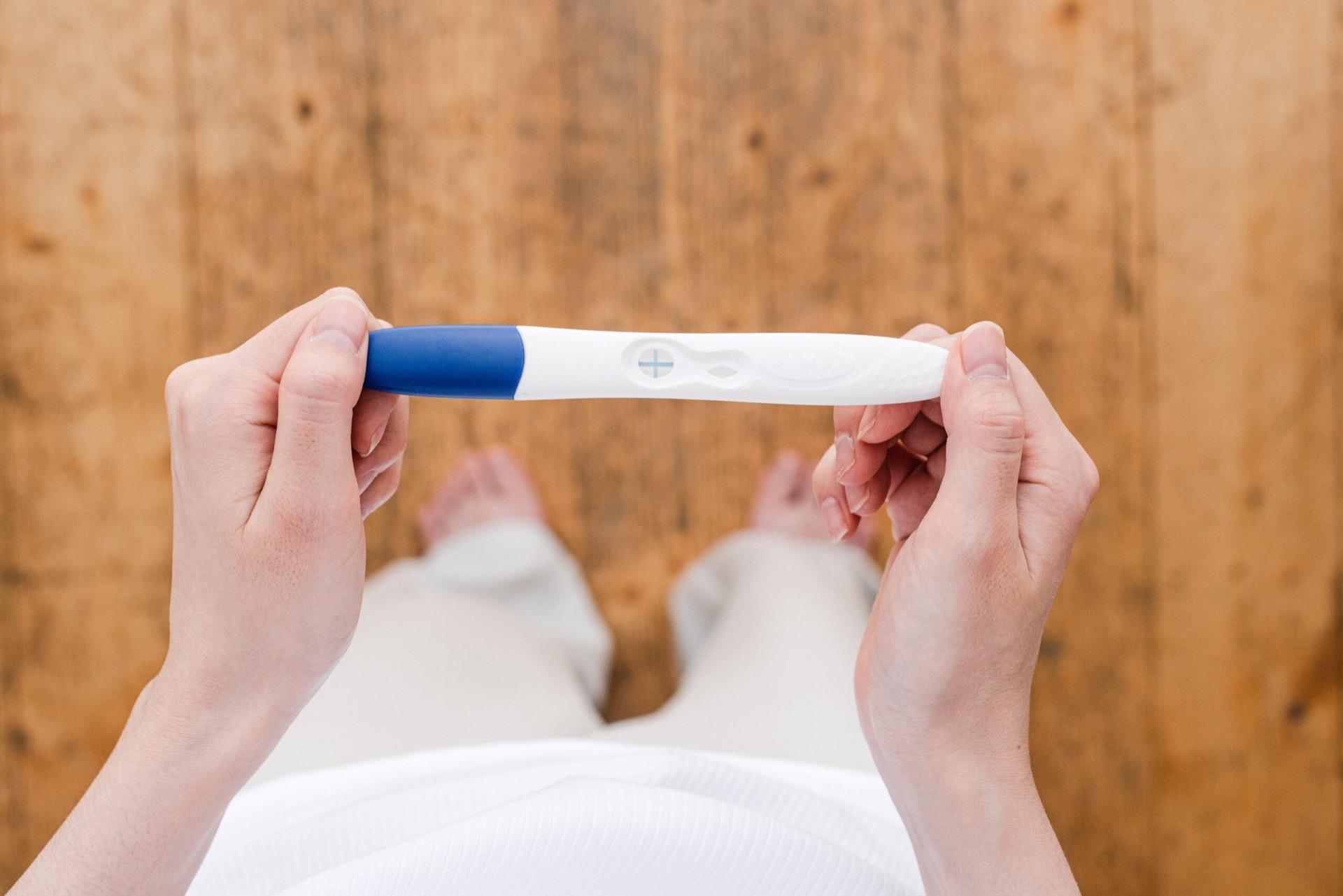
You’re late. You’re waiting. You’re wondering — am I pregnant or just delayed? It’s a moment filled with excitement, anxiety, and a flood of questions. For many women, recognizing early pregnancy signs can feel like trying to decode a secret message your body is sending. Some symptoms might mimic your regular premenstrual cycle, while others may feel completely new.
In this guide, we’ll walk you through the most common early pregnancy signs — from missed periods to mood swings — to help you understand what your body might be telling you. Whether you’re actively trying to conceive or simply unsure, this article will provide clarity, confidence, and your next best steps.
Missed Period: The Most Recognizable Early Pregnancy Sign
Why It Happens
A missed period is often the very first early pregnancy sign many women notice. After conception, your body begins producing the hormone hCG (human chorionic gonadotropin), which prevents menstruation from occurring. However, a missed period can also result from stress, significant weight changes, excessive exercise, or certain medications — so it’s not always a clear confirmation of pregnancy.
What to Do
If you’ve missed your period, the most reliable first step is to take a home pregnancy test. These are widely available over the counter and detect hCG in your urine. For the most accurate result, wait at least one week after your missed period before testing. Testing too early may result in a false negative.
When to See a Doctor
If your pregnancy test is positive, make an appointment with your healthcare provider to confirm the pregnancy and begin prenatal care.
If the test is negative but your period still doesn’t return after a few days, or if you’re experiencing unusual symptoms, consult your doctor to rule out underlying health issues.
Nausea and Vomiting: A Classic Early Pregnancy Sign
Why It Happens
Nausea and vomiting — often referred to as morning sickness — typically begin around 6 weeks into pregnancy. These symptoms are caused by rising levels of hCG (human chorionic gonadotropin), a hormone produced by the placenta. While it’s commonly called “morning” sickness, these sensations can occur at any time of day.
For many women, this is one of the most well-known early pregnancy signs, and while it’s uncomfortable, it’s usually harmless for both mother and baby.
What to Do
To ease nausea and vomiting:
- Eat small, frequent meals throughout the day
- Avoid greasy, spicy, or strong-smelling foods
- Stay hydrated with water, herbal teas, or electrolyte drinks
- Try natural remedies like ginger, acupressure bands, or vitamin B6 supplements
These tips can help reduce the severity of symptoms and make day-to-day life more manageable during early pregnancy.
When to See a Doctor
If nausea becomes severe and you’re unable to keep food or fluids down (a condition called hyperemesis gravidarum), contact your healthcare provider. They may prescribe medication or suggest IV fluids to prevent dehydration and ensure proper nutrition.
Remember: you’re not alone. Many women go through this, and support is available to help you feel better and protect your health during this critical stage.
Fatigue: Deep Exhaustion in Early Pregnancy
Why It Happens
Fatigue is one of the most common early pregnancy signs and often begins in the first few weeks. This overwhelming tiredness is caused by hormonal changes, especially increased levels of progesterone, as well as the body’s efforts to support a developing baby — including increased blood production and metabolic demands. Unlike everyday tiredness, pregnancy fatigue can feel deep and constant, affecting your ability to complete daily tasks.
What to Do
To manage fatigue:
- Prioritize rest and establish a consistent sleep routine
- Create a quiet, comfortable sleep environment
- Maintain a balanced diet rich in iron and protein
- Stay hydrated and engage in light physical activity, such as walking or prenatal yoga
These small adjustments can help maintain your energy levels and support your body during early pregnancy.
When to See a Doctor
While fatigue is a normal part of early pregnancy, you should contact your healthcare provider if it becomes severe or is accompanied by symptoms like dizziness, shortness of breath, or rapid heartbeat. These could be signs of anemia or other underlying issues that may require medical attention.
Tender Breasts: A Sensitive Sign of Early Pregnancy
Why It Happens
Hormonal changes in early pregnancy, particularly the rise in estrogen and progesterone, increase blood flow to the breast tissue. This can make your breasts feel sore, tender, swollen, or unusually sensitive. These changes are part of your body’s natural preparation for milk production and often occur within the first few weeks after conception.
What to Do
To manage discomfort from tender breasts:
- Wear a well-fitting, supportive bra during the day and a soft sleep bra at night
- Use warm or cold compresses to ease soreness
- Try gentle massage to improve circulation and reduce tension
- Avoid underwire bras if they cause additional pressure
Comfort strategies like these can make this common early pregnancy symptom more manageable.
When to See a Doctor
Breast tenderness is typically normal, but contact your healthcare provider if you notice:
- Unusual lumps
- Persistent or severe pain
- Redness, swelling, or discharge
These may require medical evaluation to rule out other conditions.
Cravings or Aversions: Unexpected Shifts in Taste
Why It Happens
In early pregnancy, hormonal fluctuations — especially increased levels of estrogen — can affect your sense of taste and smell. As a result, many women develop strong cravings for specific foods or sudden aversions to foods they previously enjoyed. These reactions may be your body’s natural way of signaling nutrient needs or protecting against potentially harmful substances.
What to Do
To navigate cravings and aversions:
- Listen to your body’s cues, but aim for moderation and balance
- Choose nutrient-rich alternatives that satisfy cravings without excess sugar or salt
- Keep a food diary to track reactions and identify patterns
- Eat small, frequent meals to manage nausea-related aversions
If you’re avoiding major food groups or struggling with intense cravings, seek personalized advice from a registered dietitian.
When to See a Doctor
Occasional cravings are normal, but if your food preferences begin to affect your nutrition, or if you crave non-food items (a condition known as pica), it’s important to speak with your healthcare provider. Early intervention can help ensure that both you and your baby are getting the nutrients you need for a healthy pregnancy.

Spotting or Cramping: Early Signs That Can Be Misleading
Why It Happens
During early pregnancy, some women experience light spotting or mild cramping, which can easily be mistaken for the onset of a menstrual period. This is often due to implantation bleeding, a normal process that occurs when the fertilized egg attaches to the uterine lining. These sensations usually appear around 6 to 12 days after ovulation.
What to Do
If you notice spotting or cramping:
- Monitor the amount, color, and timing of the bleeding
- Rest and stay hydrated
- Avoid strenuous activity or heavy lifting if cramping is present
- Keep track of any additional symptoms such as dizziness or nausea
While mild symptoms are often normal, it’s best to approach them with attention and care.
When to See a Doctor
You should contact your healthcare provider if:
- Spotting becomes heavy or bright red
- Cramping becomes severe or persistent
- You experience additional symptoms such as fever, chills, or sharp pelvic pain
These could be signs of complications such as miscarriage or ectopic pregnancy, which require prompt medical attention.
Mood Swings: Emotional Shifts in Early Pregnancy
Why It Happens
Mood swings are a common early pregnancy symptom, largely caused by rapid hormonal changes — especially in estrogen and progesterone. These fluctuations can affect brain chemicals related to mood regulation, making you feel more emotional, anxious, or irritable than usual. Fatigue, physical discomfort, and uncertainty about the future may also contribute to emotional ups and downs.
What to Do
To manage mood swings:
- Practice stress-reducing activities like deep breathing, meditation, or journaling
- Prioritize rest and maintain a consistent sleep schedule
- Engage in light physical activity such as walking or prenatal yoga
- Stay connected with loved ones and talk openly with your partner
- Consider joining support groups for pregnant women to share experiences and feel less alone
Emotional care is just as important as physical care during pregnancy.
When to See a Doctor
If mood swings begin to interfere with your daily life, or if you experience symptoms of depression or anxiety — such as persistent sadness, hopelessness, or panic attacks — talk to your healthcare provider. Mental health support during pregnancy is both safe and essential for your well-being and your baby’s development.
Headaches: A Common Discomfort in Early Pregnancy
Why It Happens
Headaches in early pregnancy are typically caused by hormonal fluctuations, increased blood volume, and changes in circulation. Fatigue, stress, low blood sugar, or dehydration can further contribute to their frequency and intensity. While they are common, especially in the first trimester, they can still be uncomfortable and disruptive.
What to Do
To help reduce or prevent headaches:
- Stay well-hydrated by drinking water consistently throughout the day
- Eat small, regular meals to maintain stable blood sugar levels
- Get enough rest and sleep, and avoid overtiring yourself
- Use relaxation techniques like deep breathing, meditation, or gentle stretching
- Apply a cool or warm compress to the forehead or neck to relieve tension
These simple lifestyle adjustments can make a significant difference.
When to See a Doctor
If headaches become severe, persistent, or are accompanied by visual disturbances, swelling, or high blood pressure, consult your healthcare provider. These could be signs of more serious conditions such as preeclampsia, which requires immediate medical attention.
Constipation: A Sluggish but Common Early Pregnancy Symptom
Why It Happens
During early pregnancy, elevated progesterone levels relax the smooth muscles of the digestive tract, including the intestines. This slows down the movement of food through the system, often resulting in constipation. The added pressure from a growing uterus and iron supplements can also contribute to this issue.
What to Do
To relieve constipation:
- Increase your intake of fiber-rich foods such as fruits, vegetables, whole grains, and legumes
- Drink plenty of water throughout the day to help soften stools
- Engage in gentle physical activity, like walking or prenatal yoga, to stimulate digestion
- Try warm beverages (such as herbal teas) in the morning to encourage bowel movements
Avoid using over-the-counter laxatives unless advised by a healthcare professional.
When to See a Doctor
If constipation is persistent, painful, or accompanied by severe bloating, bleeding, or hemorrhoids, consult your healthcare provider. They can assess your symptoms and recommend safe treatment options during pregnancy.
Frequent Urination: One of the Earliest Signs of Pregnancy
Why It Happens
Increased urine frequency is one of the earliest and most noticeable signs of pregnancy. It’s primarily caused by hormonal changes that increase blood flow to the kidneys and pelvic area, leading to enhanced urine production. As the uterus begins to expand, it can place pressure on the bladder, contributing to the frequent urge to urinate — even in the early weeks.
What to Do
To manage frequent urination:
- Continue to stay hydrated, as reducing fluids can increase the risk of urinary tract infections (UTIs)
- Empty your bladder completely each time to help prevent infection
- Avoid caffeine, which can act as a diuretic and irritate the bladder
- Use the restroom regularly, even if the urge feels mild
These small habits can help reduce discomfort while maintaining healthy urinary function.
When to See a Doctor
Contact your healthcare provider if you experience:
- Pain or burning while urinating
- Cloudy or foul-smelling urine
- Fever or back pain
These may indicate a urinary tract infection, which is common during pregnancy but should be treated promptly.
Confirming the Signs: Take a Pregnancy Test
Why It Matters
Noticing multiple early pregnancy signs can be confusing — a test can bring clarity. At-home pregnancy tests detect hCG (human chorionic gonadotropin), a hormone your body produces after implantation. These tests are readily available at pharmacies and easy to use.
How to Take the Test
- Use the first urine of the day for the most accurate results
- Follow the instructions on the package carefully
- Wait the recommended time before reading the result
A positive result typically indicates pregnancy. Schedule an appointment with your healthcare provider to confirm it clinically and begin prenatal care.
A negative result could mean either:
- It’s too early and hCG levels aren’t high enough yet
- You’re not pregnant
If your period doesn’t start within a week, retest or consult your doctor.
Taking a pregnancy test helps turn uncertainty into action. Whether the result is positive or negative, knowing where you stand allows you to make informed decisions for your body and your future. You’re not alone — your healthcare provider can be a key partner in this journey.
Originally published in April 2023. Updated and expanded in April 2025 for accuracy and relevance.